


Candle Lighting

The candle light with its flickering flame reminds us:
the transforming winds of creative life
are the breath of God.
The passionate flames of justice and love
are the graceful signs of the Christ.
The flights of freedom in movements of truth
are the joyful life of the Spirit.
We light the flame and we celebrate this day
and the signs of God in our midst.
Opening Responses
Out of darkness came light;
And the power of God was revealed
In the running wave and flowing air,
In the quiet earth and the shining stars.
Out of the dust came life;
And the image of God was revealed
In the human face and gentle heart
In the warmth of flesh and the depth of the soul
Out of justice came freedom;
And the wisdom of God was revealed
In the need to grow and the will to love
In the chance to know and the power to choose.
And God looked at the creation,
And behold, it was very good.
Reading: Parables of justice
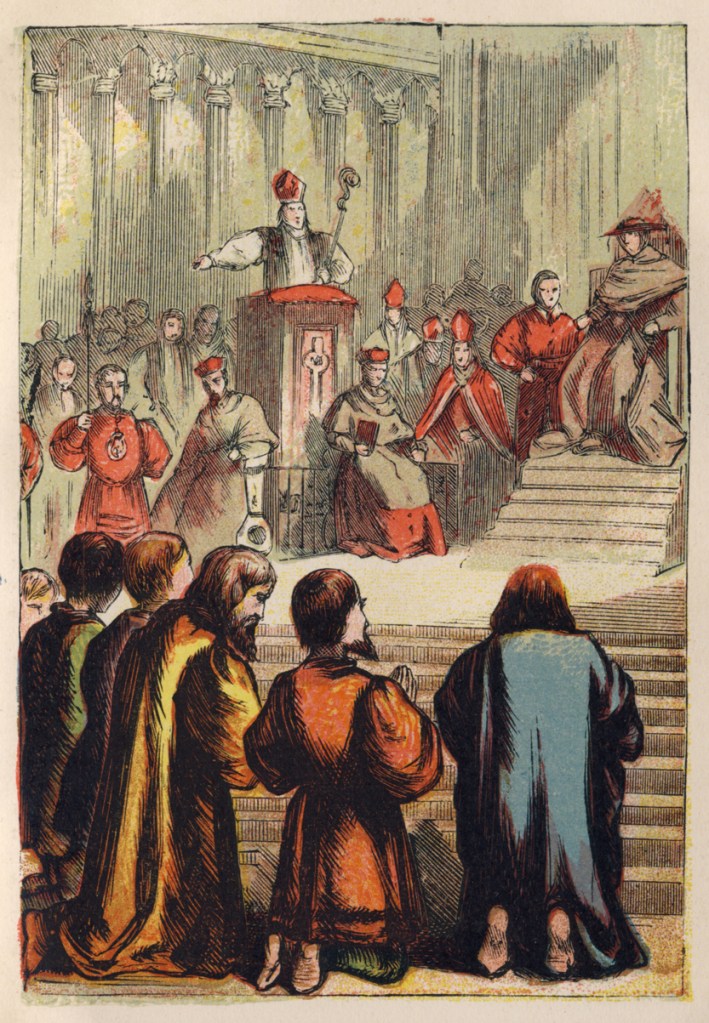
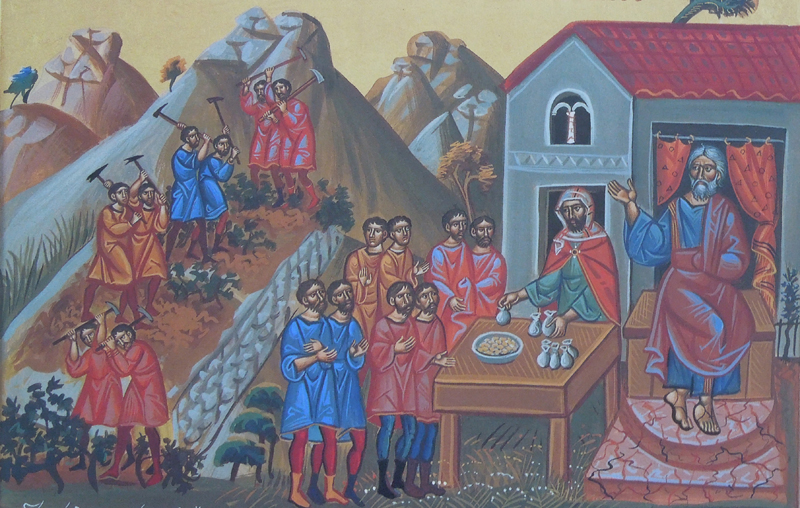
Matthew 18: 23-34;
Matthew 20: 1- 17;
Matthew 21: 33-40
Some thoughts and questions
The transcript of the audio clip follows below:
These three parables give us a patchwork perspective on justice. The parable of the workers in the vineyard and the parable of the wicked tenants will surface again in September, so we’ll focus today on the justice of the unforgiving servant parable.
We are, most of us, familiar and comfortable with the idea of justice as retribution – a form of punishment that ‘makes up for’ or evens the balance of pain suffered.
An eye for an eye seems fair to this way of thinking.
A toe for an eye isn’t enough. And two eyes would be too much.
Biblical scholars note that in the Ancient Near Eastern world, when the laws of limited payback were introduced as foundations for the way the people of Israel would be in community, this equity of retribution was a New Thing.
Prior to this, vengeance and retribution had a tendency to up the ante – two eyes for an eye makes the point more clearly about how much the first wrong caused suffering to The Innocent Party.
The reasoning being that since the party who caused the original suffering Did It On Purpose, they should suffer more.
This attitude is not uncommon still – revenge is a strong and recurring motivating factor in much of the entertainment industry story lines. Somehow, paying back violence with more violence still makes sense.
I wonder, do you hear childish reasoning in this?
The voice of one who has not yet grown wise enough to recognise the nuance of cause and effect, the complexity of relationships and the difficulty of applying more suffering as a satisfactory solution to suffering?
The parable of the unforgiving slave seems to fall into the category of retributive justice. In this case,though, it’s not pain for pain, but grace for grace.
But I think this parable is saying something more subtle than ‘a debt forgiven for a debt forgiven – or else!’.
So, let’s dive into it.
The King wishes to settle his accounts.
He starts at the top, bringing before him one who owed him so much money that it seems ridiculous. How could the slave possibly have accrued so much debt?
It may help to remember what we know about how tax collectors worked in this time. Taxes were collected from everyone, not as a fixed sum per amount earned, but as much as could possibly be squeezed, threatened and extracted – and the collector skimmed off everything he could get away with keeping.
So, a Roman governor may rightly expect that a province would provide, say, 10,000 pieces of silver in a year. The tax collector could legitimately attempt to collect twice that much and skim off whatever was extra.
Likewise, a king may expect that the farms and commerce in his kingdom would provide income in a similar way, and a slave who was a manager of those farms would skim, just like a tax collector.
Could this be the reasoning behind the enormous debt? The king sets an expectation. If the slave doesn’t collect enough or doesn’t deliver it all because he’s attempted to keep too much, then there’s a shortfall.
The system of extortion and oppression ensures a steady flow of wealth towards the top.
Like a tax collector demanding a crippling sum from day labourers and artisans alike, so the king makes his ridiculous demands on his manager slaves, who pass on the pressure to those below.
But not this king.
This king has compassion and says, “Let’s forget it. Let’s not keep this system. It is broken. I am not going to play this game anymore.”
Everyone heard the king say this: I am not going to call in the debts. I am not going to keep accounts like this. I am not going to set such ridiculous expectations anymore. The system is broken. From now on, we aren’t going to do things this way any longer.
And we would expect that the slave is really, really grateful. He’s just been saved from losing everything and everyone he cares about.
Except he is also owed money. He is also in the system, keeping accounts and he doesn’t want the flow of wealth up to the top to stop. He is benefitting from it, even as it threatens to crush him.
It doesn’t matter to him that it is unjust. He is far enough up that he still wants what he’s owed. He seems to think that his ridiculous expectations are his rights.
So, when he demands his money and the slave below him in the system can’t pay, he follows through with the threat. His gratitude and his compassion are swallowed up by the grasping need to take and keep and control.
He will not let go of the material benefits of his power, wealth and status in the system, nor will he recognise them for what they are – the benefits of oppression and injustice.
No wonder the other slaves are concerned. They heard the king say that the debts were cancelled; that things were changing and that there would be a different kind of justice now.
A justice that restores, brings liberation and hope.
The king’s response sounds punitive. It reverts to the old system, the tortuous way of retribution and meticulous accounting.
I guess the question I want to ask then is: who chose this path?
For Conversation and Reflection
And so what does the parable really say to us about forgiveness?
What does it say about how this kind of forgiveness might change the way we perceive the world….. justice…. and the ways we participate in injustice?
What does it mean if the system of retribution is bankrupt?
And if that’s how you have been taught to understand the cross, what does this parable say to you?
On a more personal level – who are you holding to account?
What might need to happen in you for you to forgive their debt?
How would that challenge or change the way you see justice?
Conversation and chance for feedback
Prayers of the people
The Taize chant ‘The Kingdom of God is justice and peace’ may help to inspire, prompt and guide your prayers today.
Blessing
The love of the faithful Creator,
The peace of the wounded Healer,
The joy of the challenging spirit
The hope of the Three in One
Surround you and encourage you
Today, tonight and forever. AMEN.

