
Lighting the Advent Candle
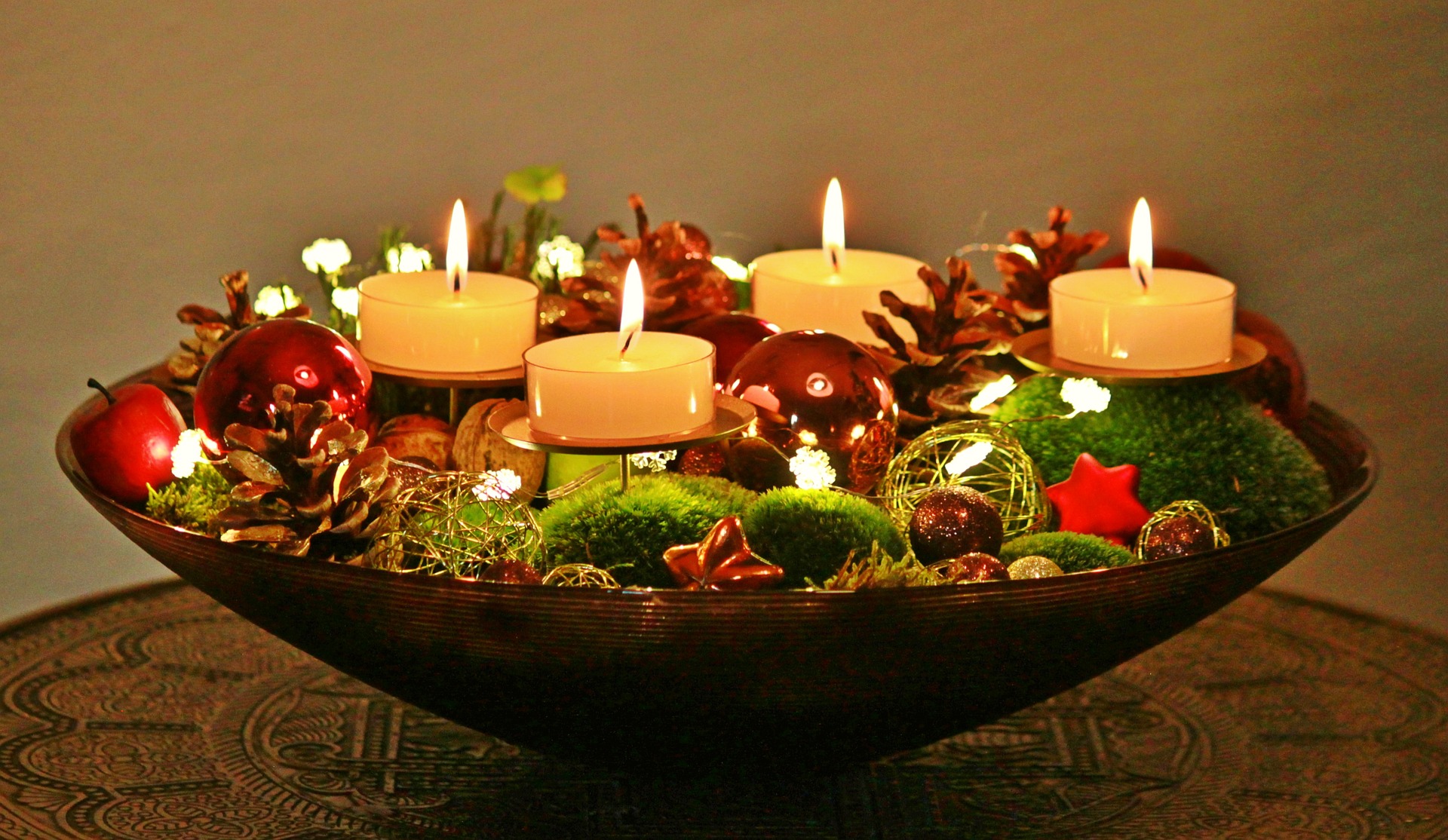
The first candle is the candle of Hope; the second is the candle of Peace; the third is the candle of Joy and the fourth is the candle of Love.
We light this candle to remind us how Jesus, light of the world, has come to show us God’s love.
Let’s pray:Loving God, we thank you for the gift of love which warms and brightens our world, which is so in need of kindness and healing. Help us to prepare our hearts to receive your love. We ask in the name of the One born in Bethlehem. Amen.
Call to worship
Listen! There is an invitation for you to open this morning,
The one who loves us is seeking our heart.
The breezes are whispering it; The sunrise announces it; The earth trembles with the energy of it: Let us be still and quiet so we may hear, and hearing, let delight overcome our caution; let our hearts resonate with the joy of God’s call.
The call to receive love,
the call to offer love,
the call to know grace,
the call to show grace. There is an invitation for us to open this morning – We are here, we are listening.
A Christmas Carol mash up
Community Connections
Scripture Reading
Ruth chapter 4. You can find the text here.
Reflection threads to pull on
In this final chapter, Boaz challenges the whole town of Bethlehem to accept Ruth the Moabite as one of their own on the basis of her kindness and despite her ethnicity. Even though Boaz has been good to Ruth, protecting her in the fields, providing a little extra for her here and there, the reality is that Ruth is still the foreigner, still outside the full provisions of the Law. Boaz persuades the people that Ruth deserves a place among them, that her kindness is evidence that the Law needs to be reinterpreted in the light of experience. This Moabite proves the Law to have a blindspot. And so everyone agrees and is witness to Boaz’s decision to make Ruth his wife, and allow for her to become kin.
This seemingly strange sandal transaction means that Ruth is now a member of the people of God even though the Law forbade it, expressly stated that it may never happen. The community open a way for Ruth to belong and in doing so, they also open a way to allow that half Moabite children will inherit Jewish land. They reconcile themselves to this previously unthinkable idea, and they do it because their experience has taught them that the Law has to be interpreted and enacted through the lens of compassion and kindness.
The book of Ruth shows us that kindness is the fullest possible completion of the Law and tradition.
This is one thread that runs through the whole book of Ruth – in fact some biblical scholars would say this is the whole point of the book and the reason for its inclusion in the Bible. Back in the introduction of the first chapter, we learned that this story is read every year alongside the story of the giving of the Law to Moses. These stories together offer us a way to see how the Bible works when it intersects with our lived experience. These stories demonstrate for us that the Law is not to be regarded as an unchanging truth, but an evolving, growing, deepening revelation of divine love as it is lived out in the midst of human limitations. This what we are preparing to celebrate in the birth of Jesus the Christ, this is the mystery at the heart of the incarnation.
And this story of Ruth and Naomi, both border crossers, both experiencing the painful isolation of social division also highlights for us the impact of isolation and division on the common good. The townspeople of Bethlehem are enriched by the outsider, by the foreigner who brings them an experience of compassion, faithfulness and kindness. Ruth brings an experience of difference, of disruption and an opportunity for expansion. The community gets better and broader and wiser for accepting and incorporating that which disturbed it – that which was unthinkable.
Ruth proves herself to be worth more to Naomi than seven sons. Inconceivable. Impossible. And also true.
The candle of Love reminds us of the unfolding journey of discovery that we are invited to and the book of Ruth, in the midst of covid times, invites us to consider how kindness and compassion might navigate a way through all that isolates, through the social divisions of vaccination status. How do we interpret the values of inclusion and diversity through the lens of kindness and mindful of the implications for our social responsibility to act for the common good? How do we incarnate Love as we journey into the New Year with hope, peace and joy?
Conversation questions
When Jesus is asked about the greatest commandment, he says it is Love. Love God, and love your neighbour as yourself. What are some practical ways that you show loving kindness in your life – for God, for others, for self or for the planet?
Do you have a story of changing the way you understand and interpret scripture? What has your journey with the Biblical revelation of divine love been like?
Offering
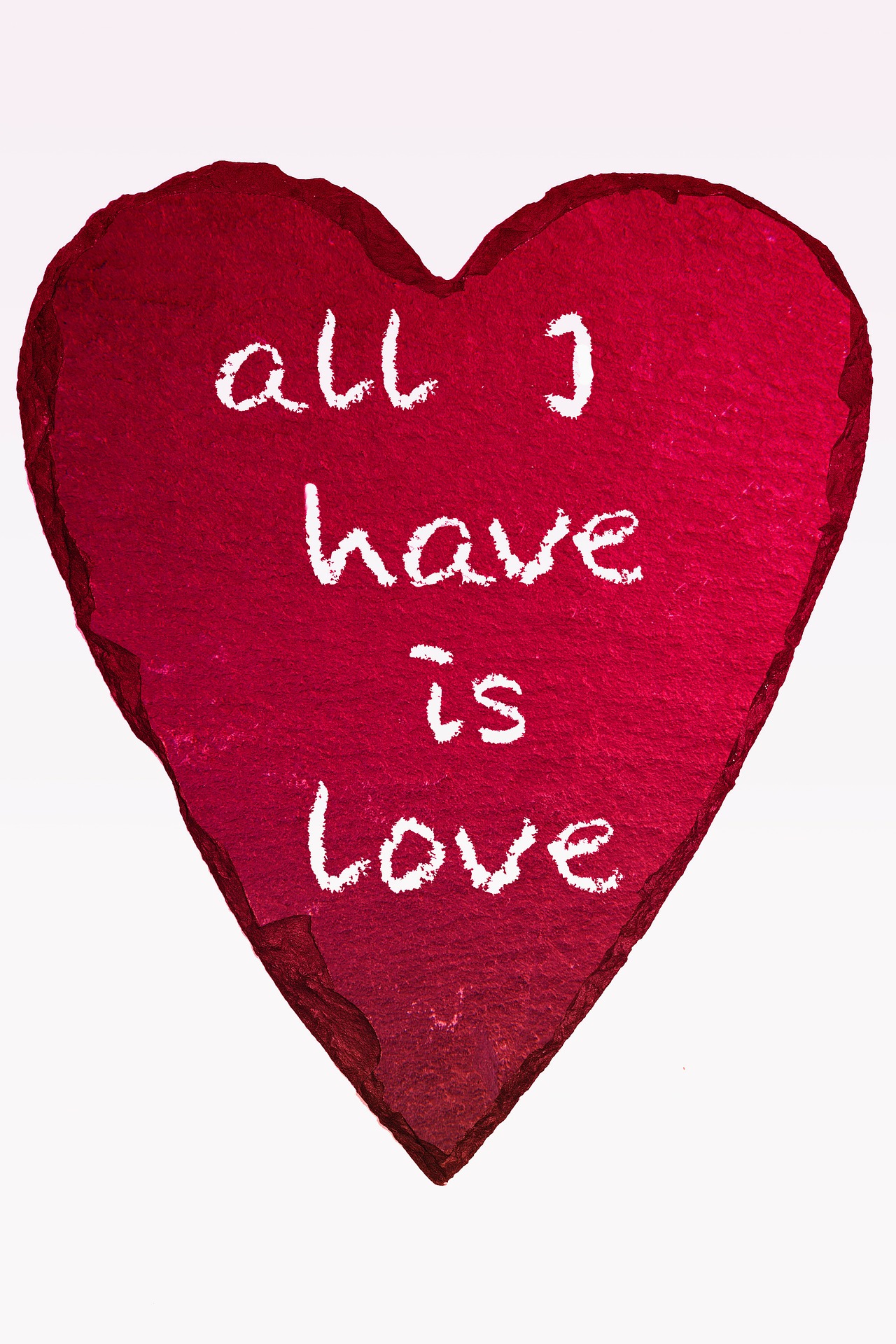
Generous God, what can we give you in return for your goodness to us, what can we offer?
Everything that comes to us, everything is gift.
All we have is openness: to receive and then to let go; to welcome in and then to offer back.
So with gratitude and joy we bring the gifts of life and love you have so freely given and lay them once more at your feet.
May love grow here. Amen.
Prayers of the people
Blessing
Go in peace, go in patience, go in expectation.
Live in love, live in hope, live in anticipation.
May joy be present and warm your heart.
Be blessed in the name of God,
source of all life and inspiration.
Be blessed in the name of the Christ,
whose birth liberates our expectations.
Be blessed in the name of the Spirit,
who breathes new life upon us all. Amen

